Get It Delivered
Best for larger projects and bulk orders.
Get Local Delivery OptionsEstimate gravel for a driveway, patio, walkway, or drainage project in seconds. Enter your measurements and get instant results in cubic yards, tons, and 50 lb bags.
Enter your measurements to see your estimate.
Once you know how much gravel you need, choose the next step that fits your project and budget.
Best for larger projects and bulk orders.
Get Local Delivery OptionsBest for smaller projects or quick jobs.
Check Store PricesEverything you need to complete your project.
Shop ToolsEnter your details to get local delivery options.
These default depths are practical starting points. Real depth can change based on traffic, drainage, soil conditions, and whether you already have a compacted base.
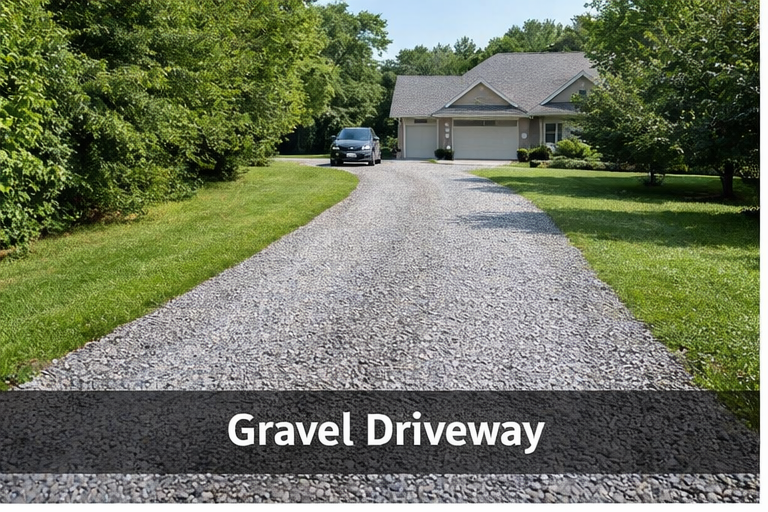
Best for cars, parking areas, and heavier traffic. Usually needs a stronger base and better compaction.
Typical depth: 4–6 inches
Useful under pavers or as a finished gravel sitting area. Leveling matters more than raw thickness.
Typical depth: 3–4 inches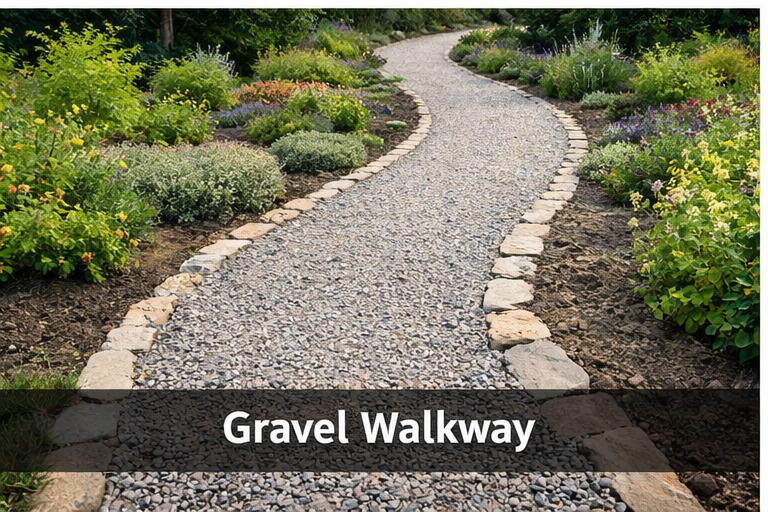
Works for foot traffic and light decorative paths. Usually thinner than a driveway.
Typical depth: 2–3 inches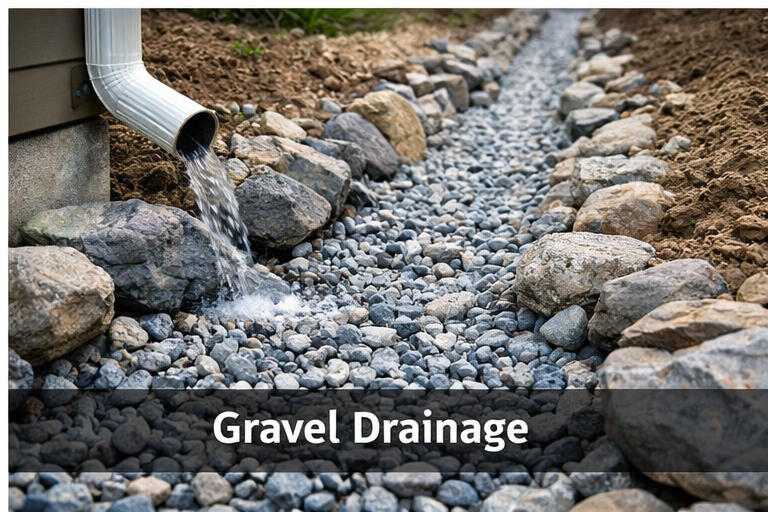
Often used around pipes, trenches, and runoff control. Depth varies by system design.
Typical depth: 4–8 inchesBrowse common buying options for bagged gravel, bulk delivery, and project accessories.
Good for bagged gravel, edging, landscape fabric, wheelbarrows, rakes, and compacting tools.
Check price optionsBetter for larger driveway or patio projects where ordering by cubic yard or ton makes more sense.
Find local bulk suppliersAdd upsells like geotextile fabric, tamper tools, gloves, levels, and string lines.
Shop tools and extrasSimple way to calculate gravel.
Measure the length and width of the space in feet. Multiply them to get total square footage.
Depth is usually entered in inches, so divide inches by 12 to convert it to feet before calculating volume.
Multiply area by depth to get cubic feet, divide by 27 for cubic yards, then multiply by density for tons.
Common questions.
One cubic yard covers about 324 square feet at 1 inch deep, about 162 square feet at 2 inches deep, and about 81 square feet at 4 inches deep.
A common estimate is around 1.3 to 1.5 tons per cubic yard. The exact number changes based on stone size, moisture, and material density.
Many driveways use about 4 to 6 inches of gravel. Heavy vehicles, softer soil, or poor drainage can require more.
Yes. Ordering 5 to 10 percent extra is common because compacted gravel settles and measurements are rarely perfect.
Bulk gravel is usually more cost-effective for larger jobs. Bagged gravel is easier for small areas or quick touch-ups.
It depends on the finish you want. Pea gravel looks softer and decorative, while crushed stone often locks together better and moves less underfoot.